
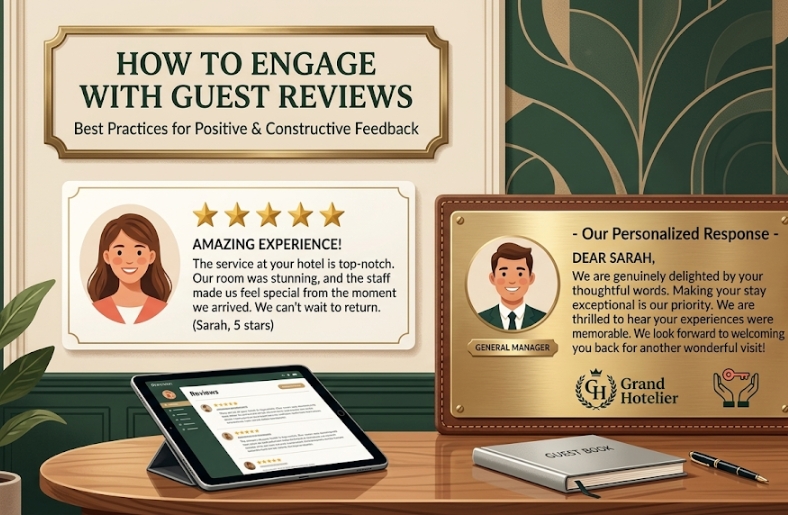
Guest feedback shapes how a hotel is perceived long before a traveler ever checks in. Whether you run the front desk of a boutique property or manage marketing for a large chain, having a set of sample reviews for hotels on hand makes it easier to understand what guests actually look for when they read reviews, and how a well written review can influence a booking decision.
This guide walks through positive, negative and neutral sample reviews for hotels, explains what separates a strong review from a weak one, and introduces a simple google review calculator concept that hotels can use to figure out how many new reviews they need to reach a target rating.
Why Sample Reviews for Hotels Matter
Travelers rarely book a room without scrolling through reviews first. A collection of sample reviews for hotels helps property managers train front desk staff on the kind of language guests use, helps marketing teams write review request emails, and gives new hotels a benchmark for what quality feedback looks like.
Reviews also directly affect visibility. Google, Booking.com and TripAdvisor all factor review volume and average rating into how a property ranks within search results, so understanding review patterns is as much an SEO exercise as it is a hospitality one.
Positive Sample Reviews for Hotels
Positive reviews tend to follow a pattern. They mention a specific staff member or moment, describe the room or amenity in concrete terms, and end with a recommendation.
Example 1
The staff at the front desk went out of their way to upgrade our room for our anniversary. The bed was incredibly comfortable and the view of the city skyline made every morning special. We will definitely be back.
Example 2
Clean rooms, fast check in and a breakfast spread that actually had variety. The pool area was well maintained and never felt crowded. Great value for the price.
Example 3
This was our third stay here and the consistency is what keeps us coming back. Housekeeping is thorough, the wifi is fast enough for remote work and the location puts you within walking distance of most attractions.
Negative Sample Reviews for Hotels
Negative reviews are just as important to study, since they reveal common pain points such as noise, cleanliness or service delays.
Example 1
The room smelled of smoke despite booking a non smoking floor and it took two calls to get it addressed. The air conditioning was also noisy throughout the night.
Example 2
Check in took over 40 minutes even though the lobby was not busy. Once in the room, the shower had very low water pressure and housekeeping never came on our second day.
Example 3
The photos online did not match the actual room size. It felt cramped for the price we paid, and the front desk was unable to offer any alternative when we asked.
Neutral Sample Reviews for Hotels
Neutral reviews often carry the most credibility because they read as balanced and unbiased, mentioning both strengths and weaknesses.
Example 1
The location was convenient and staff were friendly, but the room decor felt a bit dated. Overall a decent stay for the price, though not something we would go out of our way to book again.
Example 2
Breakfast options were limited but the room itself was clean and quiet. Parking was easy to find. It served its purpose for a short business trip.
How to Use These Sample Reviews for Hotels
Hotels can use sample reviews for hotels as training material for staff, as inspiration for guest feedback request templates, or as a way to identify recurring themes worth addressing before they turn into public complaints.
Marketing teams sometimes also use anonymized versions of real guest quotes, adapted into similar sample reviews for hotels, when building testimonial sections on a website or in a brochure, provided the wording is reworked rather than copied directly from a live platform.
Using a Google Review Calculator to Set Rating Goals
A google review calculator is a simple tool, often built as a spreadsheet or small web widget, that helps a business figure out how many new positive reviews are needed to move an average rating from its current level to a target level.
The logic behind a google review calculator is straightforward. It takes the current number of reviews and current average rating, then calculates how many five star reviews would need to be added, assuming no other reviews are removed, to reach a desired average such as 4.5 or 4.8 stars.
Why Hotels Use a Google Review Calculator
Hotel managers often set quarterly targets for their online rating, especially when competing against nearby properties with stronger review profiles. A google review calculator turns that goal into a concrete number, such as needing 42 new five star reviews over the next three months, which is far easier to plan around than a vague goal of getting more reviews.
Building a Simple Google Review Calculator
A basic google review calculator only needs three inputs: current review count, current average rating and target average rating. From there, a formula can solve for the number of five star reviews required, assuming the existing review total stays fixed. Many hotels build this into a shared spreadsheet so the marketing and front desk teams can track progress together.
Tips for Encouraging Genuine Hotel Reviews
The best sample reviews for hotels come from real guest experiences, so encouraging genuine feedback should remain the priority alongside any tools like a google review calculator.
Sending a short follow up email or text message within a day or two of checkout tends to produce the highest response rate, since the stay is still fresh in the guest’s memory. Making the review link easy to find, ideally a single click from a QR code at checkout, also removes friction that often causes guests to skip leaving feedback altogether.
Responding to both positive and negative reviews shows future guests that the property is actively engaged, which builds trust even among travelers who have not yet booked.
Common Mistakes to Avoid When Writing Hotel Reviews
Even well intentioned reviews can miss the mark if they are too generic to be useful. A review that simply says the stay was nice or the room was fine gives future guests almost no information to act on, which is why the strongest sample reviews for hotels always include a specific detail, whether that is a staff interaction, a particular amenity or a clear description of the room condition.
Another common mistake is mixing unrelated complaints into a single review, such as combining a booking platform issue with an actual property issue. Separating these makes the feedback more useful both for the hotel and for anyone reading the review later.
Fake or Incentivized Reviews
Hotels should also be cautious about offering discounts or free upgrades in direct exchange for a positive review, since most platforms including Google and TripAdvisor prohibit incentivized reviews and can remove them if detected. It is safer to simply ask for honest feedback rather than tying it to a reward.
How Review Data Feeds Into Broader Hotel Marketing
Beyond individual guest decisions, aggregated review data plays a role in how a property is positioned across its marketing channels. Strong sample reviews for hotels are frequently pulled into email newsletters, social media posts and paid ad creative, since third party validation tends to perform better than a hotel simply describing itself in its own words.
A google review calculator can support this broader marketing effort as well, since knowing the exact number of reviews needed to hit a target rating helps teams plan review request campaigns around slower booking seasons, giving front desk and marketing staff a clear, time bound target to work toward rather than an open ended goal.
Final Thoughts
Studying sample reviews for hotels across positive, negative and neutral categories gives hospitality teams a clearer picture of what guests value and where common complaints tend to arise. Pairing that understanding with a practical tool like a google review calculator makes it possible to set realistic, measurable goals for improving a property’s online reputation over time.
Frequently Asked Questions
What makes a good sample review for a hotel?
A strong sample review mentions specific details such as staff names, room features or amenities, rather than vague statements, since specificity is what makes a review feel genuine and useful to future guests.
Can I copy these sample reviews for hotels directly onto my website?
It is best to use them as inspiration rather than copying them word for word, since original guest feedback carries more credibility and avoids any duplicate content concerns.
What is a google review calculator used for?
A google review calculator helps a business estimate how many new positive reviews are needed to raise its current average rating to a target number, making review goals easier to plan and track.
How many five star reviews are needed to raise a hotel’s rating?
This depends on the current review count and rating, which is exactly why a google review calculator is useful, since the number of reviews needed changes significantly based on how many total reviews already exist.
How often should hotels ask guests for reviews?
Most hotels see the best response rates by requesting a review within one to two days after checkout, while the experience is still fresh in the guest’s memory.
Should hotels respond to negative reviews?
Yes, responding professionally to negative reviews shows future guests that the property takes feedback seriously and is actively working to improve the guest experience.